





Nothing transforms a space quite like fresh hardwood floors. The right choice in color and finish can elevate your entire home, making it feel brighter, cozier, or more refined. But with so many options for wood species, stains, and sheens, making the final call can feel overwhelming. Here’s how to confidently zero in on the perfect hardwood flooring look for your space.
- Understanding Hardwood Flooring Colors
- How Do Wood Species Influence Natural Color?
- What Role Do Stains Play in Enhancing or Changing Hue?
- How Do You Match Color With Room Size and Lighting?
- Warm vs. Cool Tones: How Do You Set the Mood?
- Selecting the Right Finish for Durability and Style
- What Types of Hardwood Floor Finishes Are Available?
- Matte vs. Glossy: What Are the Aesthetic and Practical Differences?
- How Does Finish Choice Affect Maintenance and Longevity?
- Should Lifestyle and Traffic Influence Your Finish Decision?
- Coordinating Hardwood Flooring With Interior Design
- How Do You Harmonize Flooring With Walls and Furniture?
- Can Contrast Create Visual Interest?
- What Are the Latest Trends in Hardwood Flooring Colors and Finishes?
- Is Texture Important? Smooth, Distressed, and More
- Practical Tips for Making the Final Decision
Understanding Hardwood Flooring Colors
How Do Wood Species Influence Natural Color?
Not all hardwood is created equal. Maple leans light and creamy, oak brings a touch of golden warmth, and birch features pale, almost Nordic hues. Each species has its own natural undertones, which will show through even after staining. For instance, red oak can bring hints of pink or red, while white oak reads more neutral. Understanding these default shades helps narrow your choices from the start.
What Role Do Stains Play in Enhancing or Changing Hue?
While the natural color of the wood is a starting point, stains allow for customization. Want to deepen the richness of maple or tone down the red in oak? Stains offer a spectrum from pale natural to deep espresso. Just remember, a stain can only go darker, not lighter. If you crave the palest, Scandinavian-inspired floors, you’ll need to start with a naturally light wood.
How Do You Match Color With Room Size and Lighting?
The impact of hardwood color on a room’s mood is dramatic. Lighter flooring opens up small rooms, bouncing more light and making spaces feel airy. In contrast, dark woods can make a large area feel cozier but may shrink a petite area visually. Always consider the direction of your windows and the strength of natural light; a sun-drenched room can handle deeper hues without feeling gloomy.
Warm vs. Cool Tones: How Do You Set the Mood?
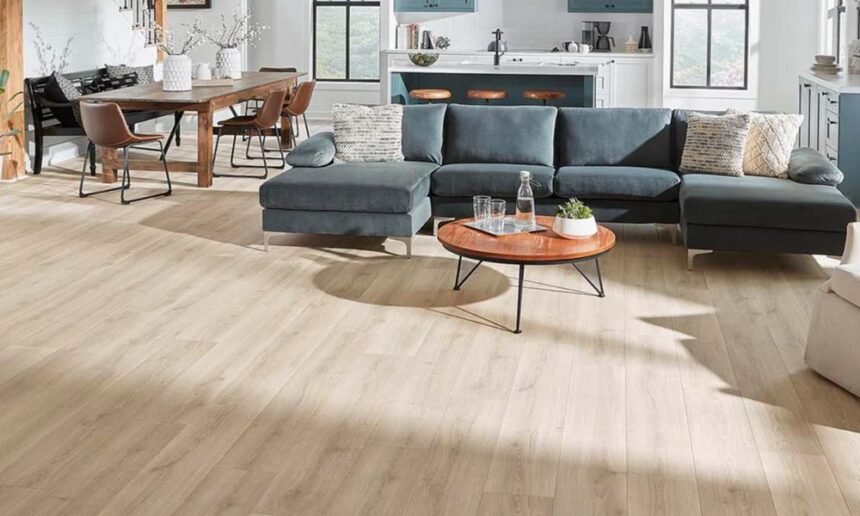
Flooring sets the tone, literally. Warm shades (like honey, caramel, or reddish browns) create a welcoming, traditional vibe, perfect for living rooms and family spaces. Cool grays and taupes feel contemporary and crisp, ideal for modern decor schemes. When in doubt, look at your wall colors and furniture: do you want the floor to blend in or stand out?
Selecting the Right Finish for Durability and Style
What Types of Hardwood Floor Finishes Are Available?
Finishes are more than just a shine. There are classic oil-based polyurethanes, which offer durable protection and a slight amber tint as they age. Water-based polyurethanes dry clear with minimal odor, letting the wood’s natural color shine. Some boutique finishes, like hardwax oils, offer a softer matte look and easy touch-up, but may require more frequent maintenance.
Matte vs. Glossy: What Are the Aesthetic and Practical Differences?
Glossy floors can look luxurious and bounce light, but they also show every footprint and scratch. Matte and satin finishes are increasingly popular, as they hide wear and tear while giving a more natural, understated look. In high-traffic homes with kids or pets, matte is often the winner for practicality.
How Does Finish Choice Affect Maintenance and Longevity?
A higher sheen means more visible smudges. Oil-based finishes are slightly more forgiving for scratches, while water-based polyurethanes resist yellowing but can be less durable over decades. Hardwax oils are easy to spot-repair but need reapplication more frequently. Match your finish not just to your style, but to your willingness for upkeep.
Should Lifestyle and Traffic Influence Your Finish Decision?
Absolutely. A quiet home with few visitors can support a glossier finish, while a bustling household will benefit from a durable, low-sheen product. Entryways, kitchens, and hallways demand extra resilience. Take an honest look at how you live before committing.
Coordinating Hardwood Flooring With Interior Design
How Do You Harmonize Flooring With Walls and Furniture?
The goal is visual harmony, not monotony. If you have light walls and light furniture, a medium-tone floor adds depth. Conversely, dark floors can ground a space with paler decor. Avoid matching everything perfectly, which can feel flat and uninspired.
Can Contrast Create Visual Interest?
Yes, contrast is your secret weapon. Pairing dark floors with light cabinetry or pale floors with rich, dramatic furniture draws attention to both. Contrast adds energy, making each design element pop.
What Are the Latest Trends in Hardwood Flooring Colors and Finishes?
Matte finishes, wide planks, and subtle stains that highlight wood grain are leading the way. Gray tones are giving way to natural, golden, and honey hues. Many homeowners are embracing hardwood flooring that showcases character marks and knots for a truly bespoke look.
Is Texture Important? Smooth, Distressed, and More
Surface texture is the final layer of design. Sleek, smooth planks look classic, while hand-scraped or distressed finishes add rustic charm and also hide scratches. Decide whether you want your floors to feel pristine or lived-in.
Practical Tips for Making the Final Decision
Should You Test Samples in Your Home?
Always. Lighting changes everything. Order several samples and view them at different times of day. Place them next to your walls, furniture, and even area rugs to see the true effect.
How Do Budget Considerations Factor In?
Quality hardwood can be an investment, but prices range widely by species and finish. Some types, such as Canadian maple, offer durability and timeless style at competitive prices. Consider long-term value, not just upfront cost.
Is It Valuable to Consult With Professionals or Visit a Showroom?
Without a doubt. Showrooms let you see and feel the options in person, and experts can suggest solutions you hadn’t considered. This personalized guidance smooths out a process that’s often filled with second-guessing.
Should You Plan for Refinishing in the Future?
Solid hardwood, especially at a 3/4″ thickness, can be refinished multiple times, extending its life for decades. Think about whether you might want to change the color or sheen down the line, choosing a classic option now means more flexibility later.
Making the right choice in hardwood flooring color and finish is as much about lifestyle and personal taste as it is about design trends. Take your time, test those samples, and seek advice when you need it. Your floors will set the stage for everything else in your home.