





Choosing between built-in and standalone ceramic grills sounds straightforward, but it is not. The decision quietly shapes how your entire outdoor space feels, and how often you actually use it. Some people love the permanence of a fixed installation, while many others prefer flexibility. Neither is wrong, but it just depends on what kind of outdoor cook you are.
If you are planning a Kamado outdoor kitchen UK setup, the built-in route often becomes appealing quite quickly. BBQs2u showcases modular outdoor kitchen systems on their website that are specifically designed to house ceramic grills securely within a structured layout.
These setups provide stable support for heavy grills, proper ventilation spacing, and integrated counter areas that make the whole arrangement feel cohesive. For homeowners wanting a long-term, polished garden kitchen, this approach delivers a built-in finish that looks deliberate rather than improvised.
What really stands out with a properly built-in system is the sense of solidity. The grill does not shift. The surrounding counters give you real prep room. Storage drawers underneath keep charcoal and tools out of the rain. Over time, that convenience changes how you cook; it becomes smoother, less scattered. It feels like an extension of your home rather than a grill parked outside.
Built-In Ceramic Grills: The Permanent Statement
Built-in models are ideal for those designing a dedicated outdoor kitchen space from the ground up.
Why do people choose built-in setups:
- Seamless, integrated appearance
- Extra countertop space for prep and plating
- Enclosed storage beneath the grill
- Strong structural support for heavy ceramic bodies
- A premium, long-term finish
There is something satisfying about everything sitting exactly where it should. Preparation, cooking, serving, all within arm’s reach. And the trade-off? It is not easily moved. Once installed, that layout is yours for the long haul.
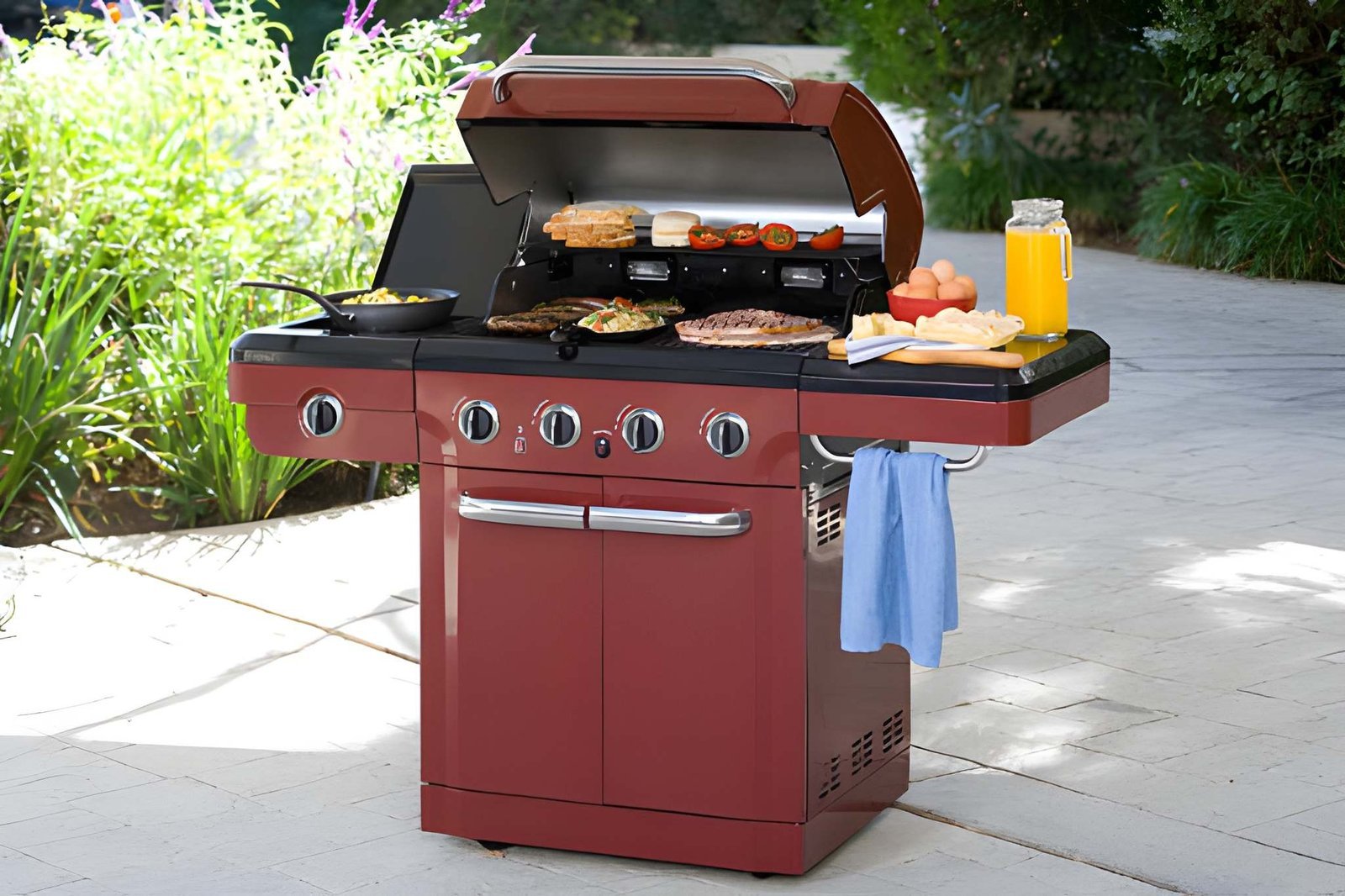
Standalone Ceramic Grills: Flexible and Low-Commitment
Standalone units usually sit on carts or sturdy frames, often with wheels.
Why they work well:
- Easy to reposition
- Lower installation cost
- No construction required
- Ideal for evolving patio layouts
If you enjoy rearranging your garden setup seasonally or are not ready to commit to a full kitchen build, standalone grills offer breathing room. They are practical and adaptable. But, and this matters, you will likely need separate side tables or storage solutions. That can lead to a slightly pieced-together look over time.
Things to Think About Before Deciding
Ask yourself a few honest questions:
- Is this a long-term garden design?
- Do you need built-in storage?
- How much preparation space do you realistically use?
- Are you comfortable committing to a fixed layout?
Ceramic grills are heavy and retain serious heat. Stability and ventilation are essential regardless of the option you choose.
Final Thoughts
Built-in ceramic grills offer structure, polish, and permanence. Standalone grills provide freedom and flexibility. It is not about which one is better. It is about which one fits your lifestyle. When the outdoor kitchen setup aligns with how you cook and host, you will use it more often. And that is, more than anything, what makes the decision worthwhile.