





Our bodies are equipped with a remarkable system designed to circulate fluid, support immunity, and maintain balance — the lymphatic system. When it functions smoothly, it quietly removes waste products and excess fluid from tissues while helping defend against infections. However, when this intricate network becomes sluggish, fluid can accumulate, leaving the body feeling heavy and looking puffy. That’s where Lymphatic Drainage therapy plays a role, offering a gentle, holistic way to support this crucial system and boost overall well-being.
Understanding the Lymphatic System and Its Role
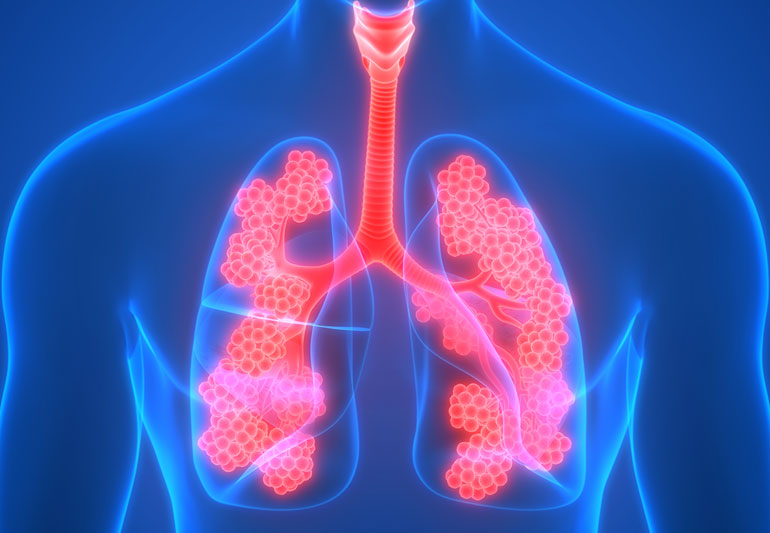
The lymphatic system is an essential part of the body’s circulatory and immune networks. It consists of a vast network of vessels, nodes, and organs that transport lymph — a clear fluid rich in immune cells — throughout the body. This system helps remove toxins, pathogens, and cellular debris from tissues, ultimately filtering them through lymph nodes where immune responses are activated.
Unlike the cardiovascular system, which relies on the heart to pump blood, the lymphatic system depends on gentle muscle movement, breathing, and body motion to push lymph along. When activity decreases — due to sedentary habits, surgical recovery, or inflammation — lymph flow can slow, leading to fluid buildup and a sense of heaviness or swelling. Lymphatic Drainage techniques are designed to engage and enhance this flow, helping the body resume its natural cleansing rhythm.
How Lymphatic Drainage Supports Your Body’s Natural Processes
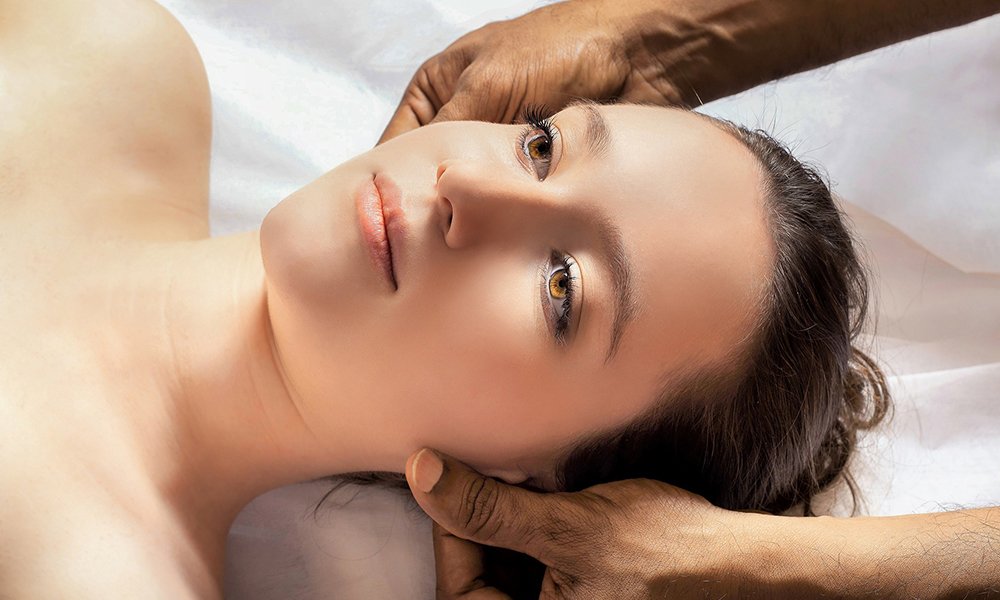
Lymphatic Drainage therapy often involves light, rhythmic movements aimed at stimulating lymph flow toward major lymph nodes, where filtration and immune activity occur most effectively. Because this approach prioritizes gentle pressure rather than deep tissue manipulation, it works harmoniously with the body’s own systems and is typically well tolerated.
When the lymphatic system is more active, several beneficial changes can follow. One of the most noticeable effects is a reduction in swelling and fluid retention. This can be particularly helpful for people who experience puffiness after travel, prolonged standing, or surgery. By encouraging excess fluid to move through the lymphatic pathways, the body can more efficiently reabsorb and eliminate it, helping tissues look and feel less bloated.
A stimulated lymphatic system not only helps clear fluid but can also enhance the immune response. Because lymph carries white blood cells and other immune factors, improving its circulation supports the body’s ability to detect and respond to potential threats. This boost in immune efficiency may contribute to fewer infections and a stronger overall defense system.
Improved circulation is another outcome associated with effective Lymphatic Drainage. As lymph moves more freely, blood flow often improves as well, transporting oxygen and nutrients more efficiently to tissues. This can leave the skin appearing healthier and more vibrant, with reduced signs of dullness and puffiness.
Beyond physical benefits, the gentle, rhythmic nature of lymphatic drainage can provide a deeply relaxing experience. Many people describe a sense of calm and reduced tension following a session, as rhythmic stimulation can soothe the nervous system and promote a state of rest and recovery.
Integrating Lymphatic Drainage Into a Wellness Routine
Incorporating Lymphatic Drainage therapy into a broader wellness plan can enhance both immediate comfort and long-term health. While it can be performed as a specialized treatment by trained therapists, individuals may also support their lymphatic health at home through activities that encourage fluid movement — such as light exercise, stretching, and deep breathing. These actions help engage muscles that naturally pump lymph through the system.
Hydration is essential, too. Lymph is primarily composed of water, and maintaining adequate fluid intake supports its movement and the body’s ability to flush toxins effectively. Nourishing foods rich in antioxidants and phytonutrients can further aid the body’s cleansing processes by reducing oxidative stress and inflammation.
While Lymphatic Drainage offers many benefits, it’s important to approach it thoughtfully. Individuals with certain medical conditions — such as circulatory disorders, active infections, or severe edema — should seek guidance from a healthcare professional before beginning any new therapy. A trained practitioner can tailor techniques to suit individual needs and monitor responses safely.
A Natural Path to Balance and Well-Being
Ultimately, Lymphatic Drainage isn’t just a cosmetic or luxury treatment — it’s a supportive therapy that works with the body’s innate systems to encourage fluid balance, boost immune function, and enhance overall vitality. Whether sought for recovery after surgery, relief from persistent swelling, or as part of a monthly wellness routine, lymphatic stimulation offers a gentle yet impactful way to help the body stay balanced and resilient.
By embracing both professional sessions and everyday lifestyle practices that support fluid flow, many individuals discover a greater sense of comfort, renewed energy, and smoother, healthier-looking skin — benefits that extend far beyond the surface.