





Key Takeaways
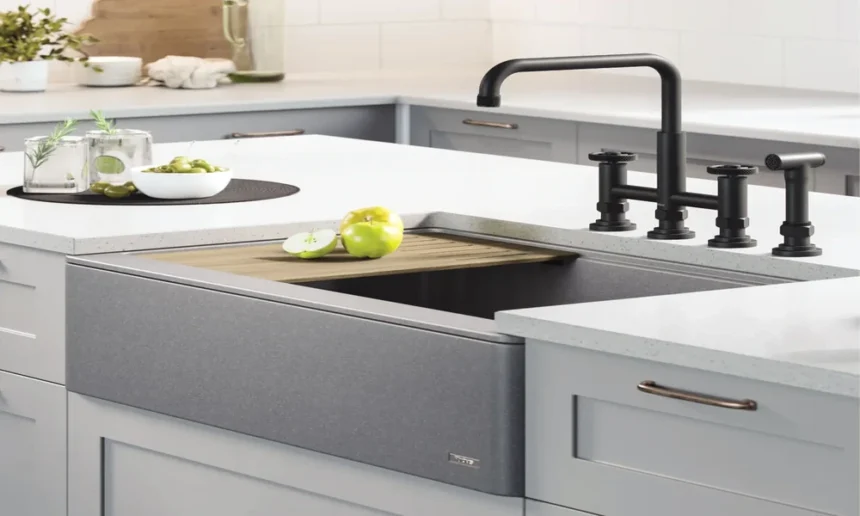
The bridge kitchen faucet brings together traditional style and modern practicality, highlighted by a raised arch that not only boosts visual interest but also allows for easier water access.
- Key Takeaways
- Discover the Unique Design Benefits of Bridge Kitchen Faucets
- How Traditional Meets Modern in Bridge Faucet Aesthetics
- Enhancing Functionality with Ergonomic Design Features
- Installation Insights: What to Expect with Bridge Faucets
- Step-by-Step Guide to Installing Your New Kitchen Faucet
- Common Tools and Tips for a Successful Installation
- Bridge Faucets: The Unsung Hero of Kitchen Efficiency
- Why Dual Faucet Handles Offer More Control
- “Precision in the kitchen leads to perfection on the plate.”
- Maximizing Water Flow and Pressure for Culinary Tasks
- Style Variations: Finding the Perfect Bridge Faucet for Your Home
- Choosing the Right Finish to Compliment Your Kitchen Decor
- Top Brands and Models to Consider for Your Space
- FAQ
- What maintenance does a bridge kitchen faucet require?
- Can bridge kitchen faucets fit in all kitchen designs?
- Are there any specific brands renowned for durability?
- How do bridge faucets compare to single-handle models in water efficiency?
- What are the common height specifications for bridge kitchen faucets?
- Is professional installation necessary for bridge kitchen faucets?
- Do bridge kitchen faucets support water filtration systems?
- What best practices can enhance the lifespan of a bridge kitchen faucet?
- Useful Resources
Featuring separate handles for hot and cold water, bridge faucets offer precise temperature control-a key component for accomplished cooks managing delicate dishes.
The ergonomic design makes it easy to fill larger pots and pans, enhanced by high spouts that provide ample clearance, ultimately improving kitchen efficiency.
For many, installing a bridge kitchen faucet can be an easy DIY project, necessitating just basic tools and a straightforward step-by-step method that empowers homeowners to take pride in their culinary space.
Typically, bridge faucets provide better water pressure than standard options, which can save time during tasks like washing vegetables or filling large stock pots, thus enriching the cooking experience.
Selecting the right finish for a bridge faucet is crucial-it can enhance the kitchen’s decor while reflecting personal style. Options such as brushed nickel or oil-rubbed bronze allow for customization.
Renowned brands like Delta, Kraus, and Moen offer a range of high-quality bridge kitchen faucets suited to various aesthetic preferences and functional requirements, ensuring a fitting choice for any home.
Discover the Unique Design Benefits of Bridge Kitchen Faucets
How Traditional Meets Modern in Bridge Faucet Aesthetics
The bridge kitchen faucet embodies a unique fusion of historical charm and modern sensibility. Unlike typical faucets, the bridge design showcases a distinctive arch that elevates the water outlet above the countertop, creating a captivating visual focal point. Initially a traditional fixture, it has adapted with various contemporary finishes-ranging from polished chrome to matte black-providing homeowners with options that enhance their kitchen’s overall design scheme.
Yet, it’s not merely about aesthetics; functionality is equally important. The smart placement of handles and spout not only captures attention but also streamlines daily kitchen tasks. Generally, these faucets have two separate handles for hot and cold water, enabling accurate temperature control. While some may argue that this adds complexity during installation, in reality, it’s a small compromise for significant benefits regarding control and visual appeal.
Enhancing Functionality with Ergonomic Design Features
It’s easy to underestimate the ergonomic advantages offered by a bridge kitchen faucet. With a well-placed spout height, users can fill large pots and pans effortlessly, all while steering clear of awkward angles that might lead to spills. A high-arc spout provides generous clearance, facilitating smoother workflow. Those dual handles? They’re designed to enhance multitasking capabilities, streamlining the cooking process.
A few notable ergonomic features include:
- High spout clearance for accommodating larger cookware.
- Separate handles that allow for meticulous temperature adjustments.
- Swivel spouts providing added reach and flexibility.
This might appear trivial, but such design details greatly enhance user experience. After all, efficiency in the kitchen is paramount, and every tool plays a role.
Installation Insights: What to Expect with Bridge Faucets
Step-by-Step Guide to Installing Your New Kitchen Faucet
When installing a bridge kitchen faucet, a structured approach is essential. While it may seem daunting at first, this DIY process can be incredibly beneficial for homeowners. Preparation combined with a clear understanding can turn the experience into a gratifying endeavor. Begin by gathering necessary tools like a wrench, plumber’s tape, and possibly a basin wrench. Regardless of brand, the overall process remains largely the same.
- Turn off the water supply. Always prioritize safety.
- Remove the old faucet. Be sure to clean the surrounding area thoroughly.
- Assemble the bridge faucet. Closely follow the manufacturer’s directions.
- Connect the hot and cold water lines. Make sure all fittings are secure.
- Check for leaks. Restore the water supply and conduct a test.
Taking the DIY route not only saves on costs but also fosters a sense of ownership regarding the space.
Common Tools and Tips for a Successful Installation
Experts generally recommend assembling the right tools before getting started. However, it’s equally important to thoroughly understand how to use them. Typically needed tools consist of:
- Adjustable wrench.
- Basin wrench for those tighter spots.
- Plumber’s tape to avoid leaks.
- Bucket to catch any residual water.
A valuable tip is to test-fit everything prior to making final connections. This approach guarantees a snug fit and helps to avoid any unwelcome surprises later.
Bridge Faucets: The Unsung Hero of Kitchen Efficiency
Why Dual Faucet Handles Offer More Control
The dual-handle design presents an unmistakable benefit. While single-handle faucets may seem easy-to-use, they often fall short on the precision that experienced cooks desire. With a bridge kitchen faucet, each handle is designated for either hot or cold, providing exact temperature control-a critical feature for tasks requiring specific temperatures, such as making delicate sauces.
“Precision in the kitchen leads to perfection on the plate.”
Though some may argue that having two handles can create a sense of clutter, clarity in temperature control ultimately far outweighs this concern. It’s simple, effective, and appealing.
Maximizing Water Flow and Pressure for Culinary Tasks
Water flow rates can significantly impact cooking efficiency. Often, a bridge faucet provides superior water pressure compared to standard models. The combination of thoughtful design and modern engineering maximizes flow without compromising efficiency. During tasks such as washing vegetables or filling large stock pots, this increase translates into valuable time saved.
Here’s what enhances the experience:
- Aesthetically pleasing yet effective water delivery.
- Improved flow rates maintain a steady cooking momentum.
- Higher clearance spouts easily facilitate kitchen tasks.
By investing wisely in a bridge kitchen faucet, one can leverage these practical benefits in daily cooking activities.
Style Variations: Finding the Perfect Bridge Faucet for Your Home
Choosing the Right Finish to Compliment Your Kitchen Decor
Style variations in bridge faucets allow homeowners to add personal touches to their kitchens. Making the right finish choice-whether it’s brushed nickel, chrome, or oil-rubbed bronze-is vital for achieving an aesthetic that resonates with the kitchen’s overall theme. For instance, a sleek modern kitchen could benefit from a polished chrome finish that beautifully reflects light.
However, some finishes can be prone to showing fingerprints and water spots, while others deliver a more classic or rustic feel. Prospective buyers should think about:
- Colors and materials that harmonize with their kitchen.
- Maintenance needs associated with each finish.
- Longevity factors of various plating options.
Every choice reveals aspects of personal style and individual preference.
Top Brands and Models to Consider for Your Space
There’s an array of brands specializing in high-quality bridge kitchen faucets. Some noteworthy options to explore include:
- Delta Faucets: Renowned for their innovative designs and dependable performance.
- Kraus: Features a variety of contemporary designs that marry style with functionality.
- Moen: A trusted name in kitchen and bath fixtures, celebrated for both aesthetic appeal and durability.
These brands cater to a wide range of preferences and budgets, ensuring everyone can find a suitable option.
Selecting the perfect bridge kitchen faucet can profoundly impact daily kitchen interactions. It isn’t just about choosing a model; it’s an essential step toward boosting functionality and style in the kitchen. Every cook deserves tools that enhance their creative culinary process. A thoughtfully selected faucet not only elevates the design but also plays a crucial role in ensuring a smooth cooking experience. Such attention to detail can truly transform a kitchen into a vibrant hub of creativity. What better moment to consider an upgrade?
FAQ
What maintenance does a bridge kitchen faucet require?
Routine maintenance usually entails checking for leaks and confirming that handles function smoothly. Regularly cleaning the faucet finish will help preserve its aesthetics by preventing buildup of water spots or grime.
Can bridge kitchen faucets fit in all kitchen designs?
Absolutely. The array of available finishes and styles means bridge faucets can be seamlessly integrated into both traditional and modern kitchens. Homeowners have the freedom to choose options that align with their existing décor for a unified look.
Are there any specific brands renowned for durability?
Indeed. Delta, Moen, and Kraus are brands respected for their high-quality materials and skilled craftsmanship. These manufacturers frequently offer warranties that reflect their commitment to durability.
How do bridge faucets compare to single-handle models in water efficiency?
Bridge faucets often provide superior water pressure, which enhances efficiency during heavy-duty tasks. While single-handle designs may seem more convenient, bridge faucets afford greater control over flow rate and temperature adjustments.
What are the common height specifications for bridge kitchen faucets?
The majority of bridge kitchen faucets feature high-arc designs that typically stand around 15 to 20 inches tall. This height facilitates filling larger pots, enhancing usability while cooking.
Is professional installation necessary for bridge kitchen faucets?
Not at all. Many homeowners successfully tackle the installation of bridge faucets as a DIY project. With a few basic tools and a clear instructional guide, the installation can be quite achievable.
Do bridge kitchen faucets support water filtration systems?
Yes, many bridge faucets are compatible with water filtration systems. However, it’s crucial to confirm compatibility with the chosen model, as configurations may vary among designs.
What best practices can enhance the lifespan of a bridge kitchen faucet?
Routine cleaning and steering clear of harsh chemical cleaners can considerably extend the life of the faucet. Moreover, regular inspections of connections and seals can help avert leaks and wear over time.